
Forgiveness can be a difficult thing to do, however the lack of forgiveness is truly what causes us the most harm. When we choose not to forgive, we oftentimes allow the situation to fester in our minds and impact our daily lives. Forgiveness is always for our own personal healing and journey, rarely for the other person.
Forgiveness allows us to have healthy relationships with those who haven’t wronged us, as well as the person at fault. If I’ve forgiven someone for putting me in traumatic situations, I can now move forward with my life and not be triggered by others. Even if I never pursue a relationship with the person at fault again, or even speak to them, I can forgive them. Forgiveness happens on our own time, in our own space. We don’t have to tell the person we’ve forgiven them.
Identify what makes you upset: whether it’s anger, sadness, embarrassment or something else, we must identify the situation that caused us to feel this way.
Reflect: Think about the situation, replay the conversation in your head. What was said or done that made you upset? Was it a combination of things that led up to this point ? Was it a single event?
Create an action plan: Would you like to address the problem and explain your feelings? Do you want to eliminate all forms of communication with that person? Do you want to forgive in private and just move on ? The choice is yours and they are all great and acceptable.
Decide why you want to forgive: Do you want to be at peace with the situation? Do you want to stop thinking about it? Do you want it to hurt less?
Are you ready to forgive? Time heals all wounds. We have to be ready to say the words out loud that we forgive X person for committing Y problem. We can’t and shouldn’t rush forgiveness.
Are you willing to see it from the other person’s perspective? Forgiving requires a bit of external reflection. Can you place yourself in their shoes and see why they may have done or said what they did? Do you know if they have a history of abuse or issues in their life that they are continuing ?
These may be grounds for forgiveness, but you shouldn’t tolerate continuous abuse just because they’ve gone through something.
Remember: you can forgive them without continuing a relationship with them.
Can you think and say I forgive _____ for ______.
Are you comfortable with the thoughts of the past, without them causing you to feel uncomfortable and unwanted emotions?
If yes, you are ready to forgive.
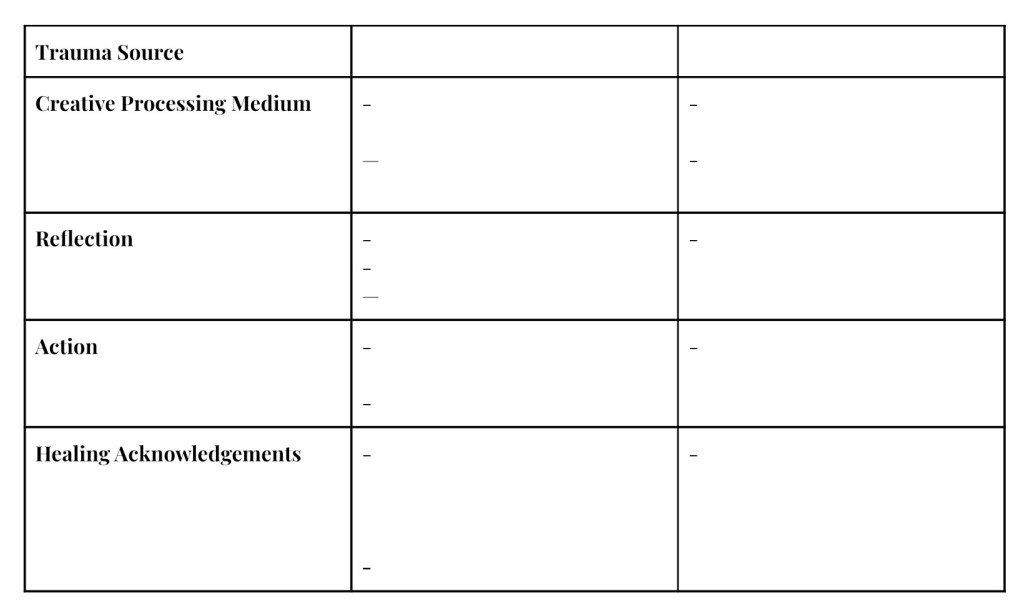
If you want to feel better but you aren’t ready to forgive, read how to heal from childhood trauma. There’s an exercise in the article that helps us begin to process these emotions and heal. The blank exercise is below. The article above includes examples.






 Beeing Bee
Leave a comment